Necazurile Brigăzii 155: Problemele unei brigăzi instruite în Franța arată cât de grea este situația din Ucraina
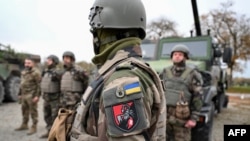
Soldați ucraineni din Brigada Mecanizată Separată 155 stau lângă vehicule militare în timpul unui exercițiu de antrenament în Franța. (fotografie de arhivă)
Ar fi trebuit să fie în avangarda unei armate ucrainene modernizate, instruită în tactici occidentale de instructori francezi, înarmată cu arme occidentale, echipată pentru a înfrunta o armată rusă numeroasă pe câmpul de luptă.
Acest lucru nu s-a întâmplat.
În schimb, Brigada 155 Mecanizată Separată a armatei ucrainene a fost zguduită de dezertări, incriminări și, acum, de critici publice acide care acuză comandanții de incompetență.
Comandantul brigăzii a fost înlocuit brusc luna trecută, imediat după ce unitatea s-a întors de la antrenamentul din Franța, iar principala agenție ucraineană de aplicare a legii investighează informațiile conform cărora zeci, posibil sute, de soldați ai acesteia au dezertat sau au lipsit fără permisie.
Problemele Batalionului 155 au ieșit la iveală într-un moment dificil pentru Ucraina, cu populația epuizată de aproape trei ani de război total și cu armata epuizată de ofensivele rusești neîncetate.
Cazul ilustrează, de asemenea, problemele mai ample care afectează armata ucraineană de luni de zile, dacă nu chiar de ani de zile – și care, potrivit experților, au împiedicat capacitatea acesteia de a desfășura o apărare sau o ofensivă eficientă la scară largă împotriva unei forțe ruse mai mari și mai bine echipate.
„Antrenamentul pe care mi l-am imaginat că ar trebui să aibă loc în al treilea an de război, cum ar fi trebuit să fie, nu există”, a declarat un locotenent, aflat în prezent în concediu neautorizat din brigadă, pentru serviciul ucrainean al RFE/RL”.
„Eu, unul, nu știu ce ar trebui să fac. Nu sunt pregătit să renunț și să execut orice ordin cu oameni neinstruiți. În plus, nici eu nu sunt instruit. Eu comand 30 și ceva de oameni. Nu sunt pregătit să le risc viața”.
„În Franța, nu am fost învățat absolut nimic”, a declarat ofițerul, care a vorbit sub rezerva anonimatului, deoarece criticile publice la adresa armatei pot duce la urmăriri penale.
Cel puțin 59 de soldați din brigadă au părăsit terenurile de antrenament din Franța fără autorizație, a declarat ofițerul, o cifră care a fost reluată de Yuriy Butusov, un popular corespondent de război ucrainean, care a descris brigada drept „haos organizațional complet”.
Într-un interviu, Butusov a declarat că decizia din spatele instruirii și formării brigăzii a fost mai mult politică.
„Pur și simplu nu are rost să creăm astfel de brigăzi care nu au personal complet, care nu au timp deloc să se antreneze, după cum vedem”, a declarat el pentru Serviciul ucrainean al RFE/RL.
„Dacă spunem că avem nevoie de o nouă brigadă, atunci aceasta este o chestiune care ar trebui să dureze cel puțin un an pentru a fi finalizată. În plus față de formarea individuală, trebuie să asigurăm managementul la mai multe niveluri.”
Haos inevitabil?
Aliații occidentali au investit miliarde de dolari în armament și echipamente pentru forțele armate ucrainene, echipându-le cu tehnologie modernă pentru a lupta împotriva unei armate ruse mai mari, care dispune de mai multe arme.
De asemenea, au încercat să reeduce forțele armate ucrainene, îndepărtându-le de doctrina și tacticile cu care a crescut corpul de ofițeri cu pregătire sovietică și introducând gândirea de tip NATO, cum ar fi războiul cu arme combinate și accentul pus pe brigăzi mai mici, mai degrabă decât pe divizii mai mari.
Dar, în afară de armament, Ucraina s-a confruntat și cu o problemă mai mare: forța de muncă. Criticii din interiorul și din afara Ucrainei s-au plâns că autoritățile ucrainene nu reușesc să construiască un sistem durabil de recrutare, mobilizare și instruire, pentru a reface unitățile epuizate.
Comandamentul ucrainean a creat mai multe brigăzi noi. Unele unități au fost trimise în Germania pentru instruire. O altă unitate a fost înființată în Franța anul trecut, cu mare fast: Brigada Mecanizată Separată 155 a fost supranumită Brigada „Ana de Kiev”, după numele unei prințese de Kiev din secolul al XI-lea care a devenit ulterior regină a Franței.
Președintele francez Emmanuel Macron a anunțat crearea unității în iunie, în timpul festivităților de aniversare a invaziei Normandiei din cel de-al Doilea Război Mondial.
Două luni mai târziu, aproximativ 2.000 de soldați ucraineni – circa jumătate din dimensiunea unei brigăzi NATO standard – au fost trimiși în Franța pentru instruire, care a inclus instruire privind sistemele avansate de arme franceze; Macron a efectuat ulterior o vizită foarte mediatizată la unitate în octombrie.
Atunci când brigada 155 a început să se întoarcă în Ucraina la sfârșitul lunii noiembrie, forțele ucrainene se luptau deja de luni de zile să respingă ofensivele rusești accelerate în mai multe locuri de pe linia frontului de aproximativ 1 100 de kilometri.
Pe 12 decembrie 2024, comandantul brigăzii, colonelul Dmytro Ryumshin, a fost înlocuit, cu doar câteva zile înainte ca aceasta să intre în luptă. Motivul demiterii lui Ryumshin nu a fost clar, dar acesta a postat o declarație pe pagina de Facebook a brigăzii, mulțumindu-le soldaților și ofițerilor unității pentru „loialitatea și profesionalismul lor”.
Cu câteva zile înainte, deputatul Maryana Bezuhla a criticat modul în care a fost concepută brigada, spunând că a fost asamblată la întâmplare din alte unități, ceea ce, la rândul său, a privat alte unități de efective.
„Ce s-a întâmplat cu Brigada 155: chiar dacă francezii au încercat să specializeze brigada, aceasta nu a fost scutită de decizii militare stupide, care au sfâșiat unitatea”, a scris ea pe Facebook. „În cadrul brigăzii domnește haosul”.
Acest lucru a fost repetat de Serhiy Sternenko, un activist și blogger care scrie despre corupția publică și a fost afiliat anterior unui grup paramilitar de extremă dreaptă.
„De ce să creăm o nouă brigadă când brigăzile existente aveau un deficit critic de personal, dacă apoi a fost împărțită pentru a repartiza oameni la vechile brigăzi? Care este rostul?” a declarat Sternenko într-o postare pe X.
„În plus față de lovitura dată imaginii noastre în ochii francezilor, unde o parte din brigadă a fost instruită și dotată cu echipament, am suferit din nou pierderi mari și epuizare”.
„Această nebunie trebuie să fie oprită înainte de a submina complet capacitatea armatei de a organiza rezistența”, a scris el.
„Mai degrabă aș dispărea
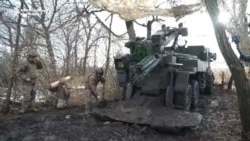
În ciuda problemelor organizaționale raportate, brigada a fost desfășurată în parte pentru a ajuta la apărarea Pokrovskului, un oraș din Donbas care se află sub amenințarea majoră a încercuirii de către forțele ruse. Potrivit unor informații, unitatea a folosit tancuri Leopard de fabricație germană și artilerie franceză.
Dar locotenentul de brigadă care a vorbit cu RFE/RL sub rezerva anonimatului a spus că unele echipamente care le-au fost furnizate erau stricate; excavatoarele, de exemplu, folosite pentru a săpa tranșee și apărări. El a descris, de asemenea, unele dintre problemele cu ordinele de comandă.
„Când ne-am întors din Franța, o parte din brigadă se afla deja lângă Pokrovsk”, a spus el.
„Apoi am primit un ordin de transfer la infanterie, iar mulți oameni au dezertat. Câteva zile mai târziu, am fost trimiși în regiunea Dnipropetrovsk. Iar a doua zi, am primit un ordin să mergem într-o așezare la 20 de kilometri de linia frontului.
„Comandantul meu mi-a scris: Adunați nouă persoane. Mâine veți merge într-un anumit loc. L-am întrebat ce trebuia să facem acolo. Mi-a spus: 'Nu știu'”, a povestit locotenentul. „Adică, comandanții sunt neprofesioniști, nu au instruit oamenii”.
El a spus că unii soldați se gândesc: „Mai bine aș pleca fără permis. Dacă voi fi prins, atunci cel puțin, mai devreme sau mai târziu, ușa închisorii se va deschide. Capacul unui coșciug nu se va deschide niciodată”.
Rapoartele neconfirmate sugerează că brigada a suferit pierderi disproporționate în apărarea Pokrovskului, lucru pe care Butusov l-a considerat semnificativ.
„Majoritatea soldaților 155 de pe linia frontului încearcă să își îndeplinească îndatoririle în mod onest”, a scris Butusov în postarea sa de pe Facebook din 31 decembrie.
„Dar din cauza unei anumite atitudini criminale față de viețile soldaților, Brigada 155 a suferit pierderi semnificative încă din primele zile” de desfășurare.
Fear And Hope As Battle For Ukraine’s Pokrovsk Looms
1/17A woman walks through a suburb of Pokrovsk in early December.
In the early days of the full-scale Russian invasion my colleagues and I had based ourselves in Pokrovsk, where cafes, restaurants, and shopping centers offered a respite from the front lines. Now we are watching it die. Since 2022, I’ve seen many cities overtaken by war. Some fall quickly and disappear from the headlines, others hold on to the bitter end: Syevyerodonetsk, Lysychansk, Soledar, and others familiar only to the military and journalists. Now Pokrovsk is on that list.
Russian forces have neared the outskirts of Pokrovsk, a strategically important transportation and logistics hub in Ukraine’s eastern Donetsk region. Once home to more than 60,000 people before Russia's full-scale invasion of Ukraine in February 2022, only a fraction of this population now remains in the embattled city. Photojournalist Serhiy Nuzhnenko recently visited Pokrovsk with a colleague from RFE/RL's Donbas.Realities and talked to some residents who are still living there.
Mai multeMai puține
2/17A woman rides past a cinema with a banner declaring “Pokrovsk -- the strength of the Cossack clan.”
A curfew is in place in Pokrovsk from three in the afternoon until 11 a.m. the next day. As soon as the curfew is lifted we park our car and walk through the city streets. Only a handful of people are out and about. In the background, artillery can be heard working to the south and east, where Russian forces are advancing from both directions.
Russian forces have neared the outskirts of Pokrovsk, a strategically important transportation and logistics hub in Ukraine’s eastern Donetsk region. Once home to more than 60,000 people before Russia's full-scale invasion of Ukraine in February 2022, only a fraction of this population now remains in the embattled city. Photojournalist Serhiy Nuzhnenko recently visited Pokrovsk with a colleague from RFE/RL's Donbas.Realities and talked to some residents who are still living there.
Mai multeMai puține
3/17Many shops here are closed and apparently abandoned. Svitlana Yaroslavovna (pictured) operates one that is still open, selling sweets, milk and sausage. “When it’s quiet, I get nervous. It feels like maybe the military are surrendering us. I hope they don’t,” she confides after making us coffee. “Because [the nearby settlements of] Novohrodivka and Selydove were both surrendered very quickly even though there were fortifications there. I’m not a soldier, but I wish they hadn’t allowed them to fall."
Russian forces have neared the outskirts of Pokrovsk, a strategically important transportation and logistics hub in Ukraine’s eastern Donetsk region. Once home to more than 60,000 people before Russia's full-scale invasion of Ukraine in February 2022, only a fraction of this population now remains in the embattled city. Photojournalist Serhiy Nuzhnenko recently visited Pokrovsk with a colleague from RFE/RL's Donbas.Realities and talked to some residents who are still living there.
Mai multeMai puține
4/17"Dragon's teeth" anti-tank obstacles in Pokrovsk.
Suppliers for Yaroslavovna's grocery shop still come every weekday, she tells us, but some drivers are afraid to come into the city center. “We meet them behind the bridge and transfer the products, then drive them in ourselves.”
If Russian troops keep pushing closer, Yaroslavovna says, “I’ll close the shop and flee with the dogs and cats that I’m looking after here. I definitely won’t live here under the Russians, if the front gets any closer. But for now, I’ll be here for as long as I can."
Russian forces have neared the outskirts of Pokrovsk, a strategically important transportation and logistics hub in Ukraine’s eastern Donetsk region. Once home to more than 60,000 people before Russia's full-scale invasion of Ukraine in February 2022, only a fraction of this population now remains in the embattled city. Photojournalist Serhiy Nuzhnenko recently visited Pokrovsk with a colleague from RFE/RL's Donbas.Realities and talked to some residents who are still living there.
Mai multeMai puține
5/17The city slowly comes to life as we continue walking, people are appearing, carrying water and food. A makeshift market is operating nearby. It feels almost like any normal winter morning in a provincial eastern town, only the booming of nearby explosions offers a constant reminder of the situation in Pokrovsk.
Russian forces have neared the outskirts of Pokrovsk, a strategically important transportation and logistics hub in Ukraine’s eastern Donetsk region. Once home to more than 60,000 people before Russia's full-scale invasion of Ukraine in February 2022, only a fraction of this population now remains in the embattled city. Photojournalist Serhiy Nuzhnenko recently visited Pokrovsk with a colleague from RFE/RL's Donbas.Realities and talked to some residents who are still living there.
Mai multeMai puține
6/17In some suburbs there is still electricity and gas, but central heating no longer operates in Pokrovsk. People warm their apartments with electric heaters or gas burners.
Russian forces have neared the outskirts of Pokrovsk, a strategically important transportation and logistics hub in Ukraine’s eastern Donetsk region. Once home to more than 60,000 people before Russia's full-scale invasion of Ukraine in February 2022, only a fraction of this population now remains in the embattled city. Photojournalist Serhiy Nuzhnenko recently visited Pokrovsk with a colleague from RFE/RL's Donbas.Realities and talked to some residents who are still living there.
Mai multeMai puține
7/17The still smoldering remains of a building in Pokrovsk that was wiped out by a Russian glide bomb.
Donetskoblhaz JSC, the company that supplies gas and electricity to Pokrovsk says it is becoming increasingly difficult for their repair crews to work amid frequent shelling. The company announced that, as of December 12, it would suspend gas supplies due to “the consequences of hostilities on the gas distribution system.”
Russian forces have neared the outskirts of Pokrovsk, a strategically important transportation and logistics hub in Ukraine’s eastern Donetsk region. Once home to more than 60,000 people before Russia's full-scale invasion of Ukraine in February 2022, only a fraction of this population now remains in the embattled city. Photojournalist Serhiy Nuzhnenko recently visited Pokrovsk with a colleague from RFE/RL's Donbas.Realities and talked to some residents who are still living there.
Mai multeMai puține
8/17A Pokrovsk resident collects water from one of a handful of supply points in the city.
One of the biggest challenges for Pokrovsk's residents is sourcing water. Locals say that Russian forces destroyed water pumping stations outside the city in August 2022, and since then most water has been sourced from tankers organized by local government and aid organizations.
Russian forces have neared the outskirts of Pokrovsk, a strategically important transportation and logistics hub in Ukraine’s eastern Donetsk region. Once home to more than 60,000 people before Russia's full-scale invasion of Ukraine in February 2022, only a fraction of this population now remains in the embattled city. Photojournalist Serhiy Nuzhnenko recently visited Pokrovsk with a colleague from RFE/RL's Donbas.Realities and talked to some residents who are still living there.
Mai multeMai puține
9/17Anton, who came to collect water on his day off.
The local man evacuated his family but has remained to work at a mine in Pokrovsk that was still in operation in early December. “I think everyone is considering leaving. Only those who are waiting [for a Russian takeover] are not," he says. "I hope [Ukraine's military] will drive them away, and we can continue to live here."
Russian forces have neared the outskirts of Pokrovsk, a strategically important transportation and logistics hub in Ukraine’s eastern Donetsk region. Once home to more than 60,000 people before Russia's full-scale invasion of Ukraine in February 2022, only a fraction of this population now remains in the embattled city. Photojournalist Serhiy Nuzhnenko recently visited Pokrovsk with a colleague from RFE/RL's Donbas.Realities and talked to some residents who are still living there.
Mai multeMai puține
10/17Vasyl, an elderly local crossing an empty street in Pokrovsk.
“My friends have gone to the Dnipropetrovsk region,” he tells us. “The poor are suffering everywhere. No one needs people. This is a fight for territory, not people. I am 81 years old. I think if [the Russians] restore order there will be heat, gas, and so on. I am being very frank, but, people will have one hell of a time surviving [until then].”
Russian forces have neared the outskirts of Pokrovsk, a strategically important transportation and logistics hub in Ukraine’s eastern Donetsk region. Once home to more than 60,000 people before Russia's full-scale invasion of Ukraine in February 2022, only a fraction of this population now remains in the embattled city. Photojournalist Serhiy Nuzhnenko recently visited Pokrovsk with a colleague from RFE/RL's Donbas.Realities and talked to some residents who are still living there.
Mai multeMai puține
11/17A printed sign announces “pharmacy working” in Pokrovsk.
Along with pharmacies, cafes, and a bookstore, the biggest surprise was an Apple Store that was still operating in early December. Though perhaps as I’m writing this it has already closed down.
Russian forces have neared the outskirts of Pokrovsk, a strategically important transportation and logistics hub in Ukraine’s eastern Donetsk region. Once home to more than 60,000 people before Russia's full-scale invasion of Ukraine in February 2022, only a fraction of this population now remains in the embattled city. Photojournalist Serhiy Nuzhnenko recently visited Pokrovsk with a colleague from RFE/RL's Donbas.Realities and talked to some residents who are still living there.
Mai multeMai puține
12/17Bells in the cathedral begin to ring, calling the faithful to prayer and momentarily drowning out the sounds of war. The bells frighten a flock of pigeons which flap into the air then settle on the Soviet-era apartment block whose windows are boarded up with chipboard.
Russian forces have neared the outskirts of Pokrovsk, a strategically important transportation and logistics hub in Ukraine’s eastern Donetsk region. Once home to more than 60,000 people before Russia's full-scale invasion of Ukraine in February 2022, only a fraction of this population now remains in the embattled city. Photojournalist Serhiy Nuzhnenko recently visited Pokrovsk with a colleague from RFE/RL's Donbas.Realities and talked to some residents who are still living there.
Mai multeMai puține
13/17A local woman walking her dog.
Even after covering the war for years, moments like this, showing hope for life amid destruction and death are always surprising. The animals seem to be accustomed to the backdrop of explosions and show no signs of fear.
Russian forces have neared the outskirts of Pokrovsk, a strategically important transportation and logistics hub in Ukraine’s eastern Donetsk region. Once home to more than 60,000 people before Russia's full-scale invasion of Ukraine in February 2022, only a fraction of this population now remains in the embattled city. Photojournalist Serhiy Nuzhnenko recently visited Pokrovsk with a colleague from RFE/RL's Donbas.Realities and talked to some residents who are still living there.
Mai multeMai puține
14/17"We live, we keep hoping,” Valentyna Vasylivna (pictured) tells us as she walks through her war-damaged city. “I have a pension of 2,700 hryvnias ($65) per month. Where would I go? My apartment walls keep me warm, this is my home.”
Russian forces have neared the outskirts of Pokrovsk, a strategically important transportation and logistics hub in Ukraine’s eastern Donetsk region. Once home to more than 60,000 people before Russia's full-scale invasion of Ukraine in February 2022, only a fraction of this population now remains in the embattled city. Photojournalist Serhiy Nuzhnenko recently visited Pokrovsk with a colleague from RFE/RL's Donbas.Realities and talked to some residents who are still living there.
Mai multeMai puține
15/17At Pokrovsk Railway Station the platforms are empty. This homeless man was trying to stay warm in a sleeping bag, and to get some sleep.
Russian forces have neared the outskirts of Pokrovsk, a strategically important transportation and logistics hub in Ukraine’s eastern Donetsk region. Once home to more than 60,000 people before Russia's full-scale invasion of Ukraine in February 2022, only a fraction of this population now remains in the embattled city. Photojournalist Serhiy Nuzhnenko recently visited Pokrovsk with a colleague from RFE/RL's Donbas.Realities and talked to some residents who are still living there.
Mai multeMai puține
16/17A man pushes a load of firewood. Behind him is the road towards Shevchenko, where Russian forces are currently advancing from the south.
Some civilians we spoke to told us of friends and neighbours who are returning to Pokrovsk despite the city's precarious situation. Some couldn't find work elsewhere and ran out of money; others couldn't get used to living away from their hometown. Many say the only state help that registered refugees receive is a payment of 11,000 hryvna, ($265) and those people who leave by their own means cannot even count on this.
Russian forces have neared the outskirts of Pokrovsk, a strategically important transportation and logistics hub in Ukraine’s eastern Donetsk region. Once home to more than 60,000 people before Russia's full-scale invasion of Ukraine in February 2022, only a fraction of this population now remains in the embattled city. Photojournalist Serhiy Nuzhnenko recently visited Pokrovsk with a colleague from RFE/RL's Donbas.Realities and talked to some residents who are still living there.
Mai multeMai puține
17/17A road sign for Pokrovsk on the outskirts of the city.
We leave Pokrovsk with heavy hearts. It seems likely we could return soon to the city to film street battles. We remember the words of shopkeeper Svitlana Yaroslavovna: "I hold on to my faith in God, and the armed forces of Ukraine, this is where I place my hope."
Russian forces have neared the outskirts of Pokrovsk, a strategically important transportation and logistics hub in Ukraine’s eastern Donetsk region. Once home to more than 60,000 people before Russia's full-scale invasion of Ukraine in February 2022, only a fraction of this population now remains in the embattled city. Photojournalist Serhiy Nuzhnenko recently visited Pokrovsk with a colleague from RFE/RL's Donbas.Realities and talked to some residents who are still living there.
Mai multeMai puține
Secvența anterioară
Secvența următoare
Un alt soldat al brigăzii, care a vorbit, de asemenea, sub rezerva anonimatului, a declarat că critica lui Butusov a fost în mare parte adevărată, dar a fost incompletă.
„Situația cu formațiunea a fost chiar mai rea decât a descris el”, a spus soldatul.
Biroul de Stat de Investigații, principala agenție de investigații judiciare din Ucraina, a confirmat pentru serviciul ucrainean al RFE/RL că investighează rapoartele privind dezertarea soldaților. Un ofițer de presă al brigăzii a refuzat să comenteze.
Întrebat despre problemele brigăzii, biroul prezidențial al Franței, Palatul Elysee, a adresat întrebarea Ministerului francez al Apărării.
„Forțele armate ucrainene au fost cele care au organizat selecția de personal militar ucrainean pentru a forma această brigadă și au gestionat procesele”, a declarat ministerul.
„De asemenea... Forțele armate ucrainene determină condițiile de desfășurare [a brigăzii] în Ucraina”.
Europa Liberă România e pe Google News. Abonați-vă AICI.






![Many shops here are closed and apparently abandoned. Svitlana Yaroslavovna (pictured) operates one that is still open, selling sweets, milk and sausage. “When it’s quiet, I get nervous. It feels like maybe the military are surrendering us. I hope they don’t,” she confides after making us coffee. “Because [the nearby settlements of] Novohrodivka and Selydove were both surrendered very quickly even though there were fortifications there. I’m not a soldier, but I wish they hadn’t allowed them to fall." ](https://gdb.rferl.org/07682f19-0cca-4699-bb49-de631d02fd62_w1024_q10_s.jpg)


![Anton, who came to collect water on his day off.<br />
<br />
The local man evacuated his family but has remained to work at a mine in Pokrovsk that was still in operation in early December. “I think everyone is considering leaving. Only those who are waiting [for a Russian takeover] are not," he says. "I hope [Ukraine's military] will drive them away, and we can continue to live here."](https://gdb.rferl.org/55cfa829-1dc1-446b-ad5b-7f77dc02716d_w1024_q10_s.jpg)
![Vasyl, an elderly local crossing an empty street in Pokrovsk.<br />
<br />
“My friends have gone to the Dnipropetrovsk region,” he tells us. “The poor are suffering everywhere. No one needs people. This is a fight for territory, not people. I am 81 years old. I think if [the Russians] restore order there will be heat, gas, and so on. I am being very frank, but, people will have one hell of a time surviving [until then].” ](https://gdb.rferl.org/8610c9a8-c9a7-426e-9426-334a2bc9176d_w1024_q10_s.jpg)